Buying From Dealers vs. Private Sellers in Manitoba
Weigh the real-world pros, cons, and hidden costs of purchasing your next used vehicle from a licensed dealer or a private seller. This in-depth comparison breaks down warranties, taxes, paperwork, and negotiation strategies so you can drive away confident—and compliant with Manitoba rules.
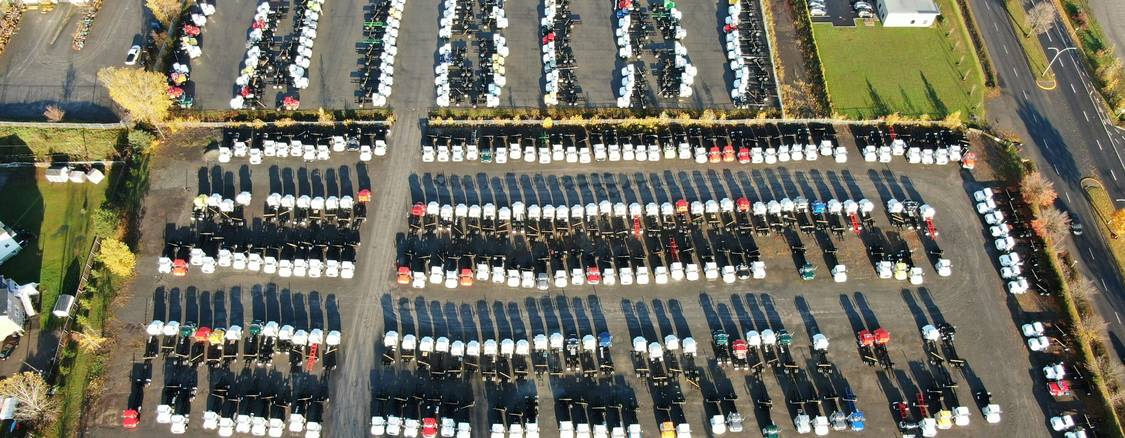
Whether you shop the vibrant lots along Winnipeg’s Portage Avenue or scroll Kijiji for a bargain in Brandon, understanding the legal and financial differences between dealer and private sales is crucial. Manitoba’s consumer-protection laws, provincial sales taxes, and Autopac registration rules create unique twists that can make or break your budget. Use this guide to navigate warranties, fees, negotiation leverage, and scam red flags— before you sign the Bill of Sale.
1. Warranty & Legal Protection
In Manitoba, only licensed dealers must honour the statutory warranty period under The Consumer Protection Act. This gives you the right to expect the vehicle to be road-worthy for a defined span (usually 30 days or 2 000 km for cars under 160 000 km). Dealers may also upsell optional extended warranties, which can cost $800–$2 500. Private sellers offer vehicles strictly as-is—no post-sale legal protection if the engine knocks on day two.
Regardless of source, always request a VIN history report and perform a free lien check through Manitoba’s Personal Property Registry before exchanging funds. A lien can follow the car—even if you’re an innocent buyer.
2. Price Transparency & Vehicle History
Dealers must disclose known accident history, odometer rollbacks, rebuilt titles, and outstanding recalls under provincial regulation. Typical add-on fees they must itemise include administrative/document fees, tire levy, and air-conditioning tax. Private sellers can omit these unless specifically asked, so diligent buyers should request:
- Driver’s licence matching the registration
- Most recent Manitoba Safety Inspection Certificate
- Proof of major maintenance (timing belt, transmission service, etc.)
Autopac’s claim history (available for a small fee) can reveal air-bag deployments and hidden frame repairs. Factor these into your opening offer.
3. Taxes, Fees & Registrations
Dealer Purchase: You pay 7 % Retail Sales Tax (RST) on the purchase price. Dealers collect and remit it, often rolling the tax into financing. Trade-in credits lower your taxable amount—an advantage you lose in a private deal.
Private Purchase: MPI will charge RST on the greater of the Bill-of-Sale amount or Red Book wholesale value. Negotiate hard, but remember that undervaluing below Red Book doesn’t save tax. Calculate your real obligation with our Used-Car Tax Calculator.
Registration must occur within seven days, and you need at least Basic Autopac in place. If the existing plates stay on for the drive home, confirm insurance coverage first.
4. Negotiation Leverage & Psychology
Dealer-Specific Tactics
- Visit during the final three days of the month—sales staff often chase quotas.
- Obtain pre-approved financing; cash buyers can negotiate admin fees away.
- Point out reconditioning costs already amortised—dealers dislike slow-moving inventory.
- Use the out-the-door method: focus on total cost, not payments.
Private-Seller Tactics
- Show rapport—compliment maintenance records before offering less.
- Arrive with a certified cheque to display seriousness and speed.
- Highlight upcoming maintenance (brake pads, tires) as leverage.
Offer-Gap Calculator
5. Paperwork Checklist
-
Bill of Sale – fully filled & signed by both partiesInclude VIN, price, date, and odometer reading.
-
Transfer of Ownership (TOD) documentDetach from registration card for private sales.
-
Safety Inspection Certificate (valid 30 days)Original yellow form must accompany registration.
-
Lien search print-out or registry receiptProtects against surprise repossession.
-
Government-issued photo ID copiesRequired for both buyer and seller at Autopac agent.
Tip: Press Ctrl + P (or ⌘ + P on Mac) to print this checklist before your viewing.
6. Common Pitfalls & Scam Signals
Manitoba’s used-vehicle market is generally safe, but watch for curbstoners—unlicensed dealers posing as private sellers. Check the seller’s name on multiple ads; repeated phone numbers are a giveaway. Roll-back odometers or rebuilt titles disguised as “clean” happen too. Always match VIN on chassis, windshield, and documents.
- Beware of requests for large cash deposits to “hold” the vehicle.
- Inspect for tampered airbags—a missing SRS light or misaligned dashboard seams.
- Verify the safety certificate’s issue date and station number.
- If the price seems too good, validate with our Cost Factors Guide.
- For disputes, consult legal resources immediately.
Dealer vs. Private at a Glance
| Dealer | Private Seller | |
|---|---|---|
| Warranty | Statutory 30-day |
None (as-is) |
| Safety Inspection | Often provided |
Buyer responsibility |
| Lien Risk | Dealer must clear |
Buyer must verify |
| Tax Handling | RST on sale price |
RST on Red Book |
| Return Policy | Limited, case-by-case |
No legal right |
Quick Math: Total Cost Example
Dealer Purchase – $15 000 Sedan
- Purchase Price: $15 000
- Admin & Doc Fees: $399
- RST (7 %): $1 050
- Safety Included: $0
- Total: $16 449
Private Purchase – Same Sedan
- Negotiated Price: $14 500
- Safety Inspection: $150
- RST on Red Book $15 200: $1 064
- Lien Check: $10
- Total: $15 724
Frequently Asked Questions
Related Guides
Choosing between a dealer and private seller ultimately comes down to your appetite for risk, negotiation skills, and willingness to handle paperwork. Use the resources linked above to double-check costs, inspections, and lien status—then enjoy the open Manitoba roads with peace of mind.