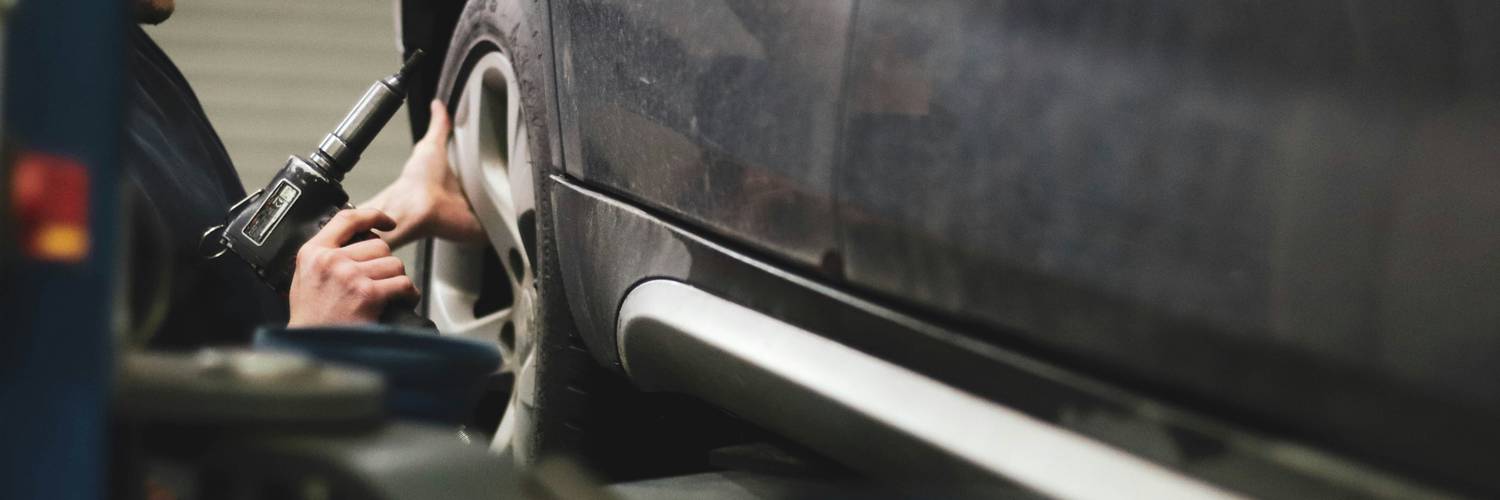
Vehicle Inspections in Manitoba
A comprehensive guide to Manitoba vehicle safety inspections for auto insurance, registration, out-of-province vehicles, and transferring ownership. Learn when inspections are required, what standards must be met, how to prepare, and how to pass. Includes detailed checklists, FAQs, and guidance for used and imported vehicles.
When is a Vehicle Inspection Required in Manitoba?
- Registering a used vehicle (especially purchased privately) almost always requires a valid Certificate of Inspection (COI) before you can register it in your name. Learn more about used vehicles.
- Out-of-province vehicles (brought from another province or country) must pass a Manitoba safety inspection, even if inspected elsewhere recently. This applies to both used and new vehicles imported or moving into Manitoba. See out-of-province registration guide.
- Transferring ownership within Manitoba may require a new COI if the current certificate is expired or not transferable. Always check requirements before purchasing.
- Brand new vehicles sold by authorized dealers are typically exempt from inspection for their first registration in Manitoba.
- Random MPI inspections may be required at any time for commercial, salvage, or specialty vehicles, or if there are safety concerns.

What Does a Manitoba Vehicle Safety Inspection Cover?
Manitoba safety inspections are comprehensive, focusing on all major safety-related components. Inspections must be performed by an authorized mechanic at a licensed inspection station (see inspection centers). Core areas include:
- Brakes (pads, rotors, lines, parking brake)
- Steering and suspension (ball joints, bushings, tie rods)
- Frame and body (rust, structural integrity, safety features)
- Lights, reflectors, and electrical systems (headlights, turn signals, horn)
- Tires and wheels (tread depth, condition, proper size)
- Windshield and windows (cracks, chips, wipers, wash system)
- Seatbelts and airbags (present, functioning, not tampered)
- Exhaust and emissions (leaks, noise, secure mounting)
Any deficiency in these areas must be repaired and the vehicle re-inspected before a Certificate of Inspection is issued. For a detailed list, see our inspection checklist and forms & guides.
How to Prepare for Your Manitoba Vehicle Inspection
- Fix any warning lights on the dash (ABS, airbag, check engine, etc.).
- Ensure all lights work (signal, brake, reverse, hazard, license plate light).
- Replace worn tires—minimum tread depth is 1.6mm (greater recommended for winter).
- Check for windshield cracks and wiper condition.
- Listen for unusual noises in brakes, suspension, or steering.
- Top up all fluids (brake, washer, coolant, oil).
- Fasten or repair loose body panels or bumpers.
Addressing these issues before the inspection saves you money and time by avoiding re-inspection fees. A failed inspection means you must repair the problem and return to the same shop within a set timeframe (usually 30 days). For a printable list, see our checklists page.
Registering Out-of-Province or Imported Vehicles
When bringing a vehicle into Manitoba from another province or country, you must complete a Manitoba safety inspection regardless of recent inspections elsewhere. You’ll also need import documents if applicable, and proof the vehicle meets Canadian standards. After passing inspection and gathering required documentation (bill of sale, old registration, COI), visit an Autopac agent to complete registration and insurance.
For more info, see our out-of-province registration guide and FAQs.
Inspection Checklist for Buyers & Sellers
-
Request (or obtain) a valid Certificate of InspectionIf you’re buying, ask the seller for a current COI. If selling, consider having your vehicle inspected before listing.Learn
-
Inspect the vehicle yourself for obvious issuesLook for warning lights, bad tires, cracked glass, rust, and fluid leaks before scheduling the official inspection.Learn
-
Choose a licensed inspection stationOnly authorized shops can issue MPI-recognized COIs. Check for Manitoba-approved inspection centers near you.Learn
-
Bring all necessary documentsHave your bill of sale, old registration, and ID ready for both the inspection and registration/insurance process.Learn
-
Submit the COI at registrationYour Autopac agent will keep the certificate. You’ll receive your new plates and insurance once all documents are verified.Learn
Passing & Submitting the Certificate of Inspection
If your vehicle passes, you’ll receive an official Certificate of Inspection (COI), valid for one year (if not registered), or until you complete registration. Bring this certificate, along with your bill of sale and other required documents, to your Autopac agent to register and insure your vehicle.
- COIs are not transferable between vehicles.
- COIs are only valid for the owner and the specific vehicle listed.
- If you delay registration after receiving your COI, you may need a new inspection if the certificate expires.
Once registered, you are not typically required to do annual inspections, unless your vehicle is flagged (e.g. for commercial use, random check, or after an accident). Learn more about documentation at our forms & guides page.
What Happens If Your Vehicle Fails Inspection?
- Worn brake pads or rotors
- Bald or mismatched tires
- Cracked or pitted windshield
- Faulty lights or electrical issues
- Rust holes in structural areas (frame, rocker panels, floors)
- Loose or noisy suspension parts
- Airbag or seatbelt warning lights on
If your vehicle fails, the inspection station will provide a list of specific deficiencies. You must complete all required repairs and then return to the same shop for a partial re-inspection, typically at a reduced fee, within the allowed timeframe (usually 30 days).
If you do not return within the re-inspection window, you may be required to pay for a full inspection again. See forms & guides for the process and required paperwork.
Frequently Asked Questions & People Also Ask
Most used vehicles, especially those purchased privately or imported from another province or country, require a Manitoba Certificate of Inspection (COI) before initial registration. Out-of-province vehicles always require a new Manitoba safety inspection, even if they have a recent inspection from elsewhere. Brand new dealer-sold vehicles are generally exempt for their first registration.
See our registration requirements and inspection checklist.
The Manitoba Certificate of Inspection (COI) is valid for one year if the vehicle remains unregistered. Once the vehicle is registered, the certificate does not need to be renewed annually unless required by MPI (for example, commercial vehicles, random spot checks, or after an accident). If you delay registration after your COI is issued and it expires, a new inspection will be required.
For more, see: Inspection Checklist and Registration Guide.
If your vehicle fails, the inspection station gives you a list of deficiencies. You must repair all issues and return to the same inspection station within the specified timeframe (usually 30 days) for a partial re-inspection, often at a lower fee. If you miss the window, a full inspection may be required. You cannot register your vehicle until it passes inspection. For step-by-step instructions and required forms, see Forms & Guides.
Typical repair time depends on the defects found—some can be fixed quickly, while others (e.g. rust repairs) may take longer. The process is designed to ensure only safe vehicles are on Manitoba roads.
Vehicle safety inspections must be performed at MPI-authorized inspection stations. These include most automotive repair shops, many dealerships, and specialty inspection centers throughout Manitoba. Always confirm the shop is MPI-certified before booking. Fees vary by location and shop. For a list of MPI-approved stations, see Inspection Centers or ask your local Autopac agent.
We provide a detailed inspection checklist and full explanations of required forms on our Forms & Guides page. Official MPI inspection forms are provided only at certified inspection stations or the MPI website. We do not provide downloadable PDFs, but our guides will help you prepare for your inspection.
You must complete a Manitoba safety inspection at an authorized station, regardless of any previous inspections in another province or country. Bring your bill of sale, old registration, Certificate of Inspection, and any required import or compliance documents. Visit an Autopac agent to complete the process. For a step-by-step guide, see Out-of-Province Registration.
Inspection fees vary by shop, but are generally between $100–$200 (plus taxes). Additional repairs are extra. If you fail and need a re-inspection, a reduced fee may apply if you return to the same shop within the designated time frame. For more details on fees and cost factors, visit Insurance Cost Factors.