Manitoba Driver Medical Requirements
Medical fitness is a cornerstone of road safety in Manitoba. This guide explains who must submit a medical report, how the examination works, and what standards apply—so you can keep your licence valid and stay confidently on the road.
Why Medical Fitness Matters
Manitoba Public Insurance (MPI) estimates that roughly one in five serious or fatal collisions involves an underlying medical factor—such as untreated vision loss, sleep apnoea, or cardiovascular events. By requiring timely medical evidence, regulators aim to prevent health-related crashes, protect other road users, and help drivers address conditions before they become dangerous behind the wheel.
Who Must Submit a Medical Report?
Age-Based Triggers
- All drivers 75 years +: report every two years.
- Class 1–4 drivers 45 years +: report every five years.
- At 65 and 70: additional vision & cognition screening.
Condition-Based Triggers
- Insulin-treated diabetes.
- Seizure or black-out within past five years.
- Sleep apnoea under treatment.
- Cardiac event (e.g. heart attack, arrhythmia).
- Cognitive or mental-health diagnoses affecting judgement.
Licence-Class Triggers
- Class 1–4 (commercial): periodic reports mandated by federal NSC.
- School-bus S endorsement adds annual vision & hearing check.
- Air-brake endorsement renewal may prompt blood-pressure verification.
How to Book & Complete the Examination
- Book with your family doctor or any Manitoba-licensed physician. Most clinics charge $85–$150; fees are not covered by Manitoba Health.
- Download a Medical Examination Report or pick one up at any service centre.
- Bring photo ID, current prescription list, glasses/contacts, and any specialist letters.
- Ask the doctor to submit electronically (fax or secure upload)— usually shaves 7–10 days off MPI processing.
- Track your application in your MPI Online Services account or call 204-985-7000 for status.
Required Forms & Where to Get Them
Manitoba uses three core documents:
- Medical Examination Report (MER): base form for all drivers; completed by a physician or nurse practitioner.
- Diabetes Specialist Report: mandatory for insulin or oral-hypoglycaemic users—signed by endocrinologist or GP with diabetes focus.
- Vision Specialist Report: required if corrected acuity is worse than 20/50 or if field test indicates defects.
Core Medical Standards
To drive in Manitoba, you must meet 20/50 (0.40 decimal) binocular acuity or better, with or without corrective lenses, and a horizontal field of at least 120°. Commercial drivers (Class 1–4) require 20/40 (0.50) or better.
Heart conditions are assessed under the Canadian Cardiovascular Society (CCS) model. Drivers may return after a 6-week symptom-free period post-angioplasty, while certain arrhythmias need cardiologist sign-off and device-function reports.
- Unstable angina → Temporary disqualification
- Post-CABG (bypass) → 6-month review
- Pacemaker functioning >6 months → Eligible
A seizure-free period of 12 months is normally required for private drivers, and 5 years for commercial classes, unless a neurologist certifies a low recurrence risk. Cognitive decline, major depressive episodes with suicidal ideation, or psychosis may trigger a conditional licence with periodic specialist reviews.
Disqualifying or Deferral Conditions
- Uncontrolled epilepsy Permanent
- Recent myocardial infarction (<6 weeks) Temporary
- Untreated severe sleep apnoea Conditional
- Monocular vision (commercial) Permanent
- Uncontrolled insulin lows Temporary
- Psychosis with hallucinations Permanent
- Recent stroke (<3 months) Temporary
- Progressive dementia Permanent
Periodic Re-Certification Schedule
| Driver Category | First Mandatory Exam | Subsequent Frequency |
|---|---|---|
| Class 1 Tractor-Trailer | Age 45 | Every 5 years until 65, then every 2 |
| Class 2 Bus Operator | Age 45 | Every 5 years; annually after 65 |
| Class 4 Taxi / Ambulance | Age 40 | Every 5 years; every 2 years after 60 |
| All Private Drivers | Age 75 | Every 2 years |
Next-Exam Calculator
Special Rules for Commercial Drivers
Commercial licence holders must also meet federal National Safety Code (NSC) Standard 6. Employers may request pre-employment drug screening or a Safety Fitness Certificate. See our Class 1–4 licence guide for training timelines and visit commercial coverage to learn how higher cargo liability limits can influence medical clearances.
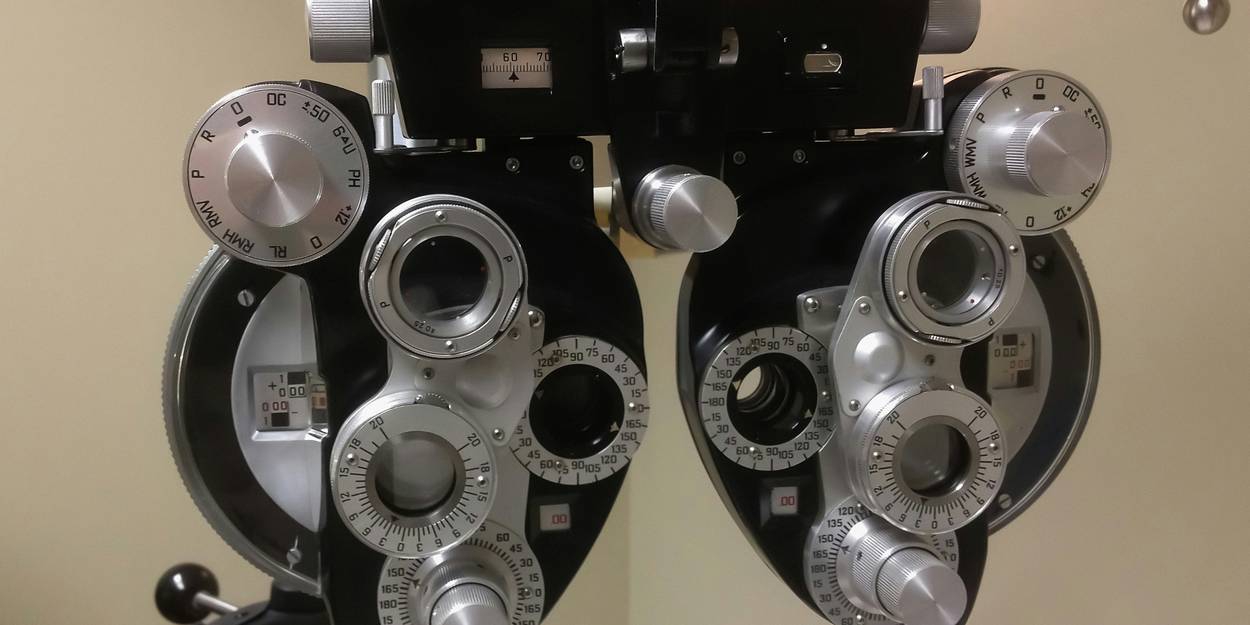
Preparation Checklist
- Bring your glasses or contact-lens case
- Carry a printed list of current medications
- Fast if your doctor requests blood tests
- Bring payment (cash or debit) for exam fee
- Have government photo ID on hand
- Collect prior specialist letters (vision, cardio)
- Print the correct Medical Examination Report
- Ask employer for medical payment letter (Class 1–4)
- Keep a recent blood-sugar log (if diabetic)
- Write down any questions for your doctor
Frequently Asked Questions
Further Reading
- General Licensing Guide
- Licence Renewal Steps
- New Driver Requirements
- Driver Forms & Guides
- Reporting Accident Injuries
Last reviewed: September 2026