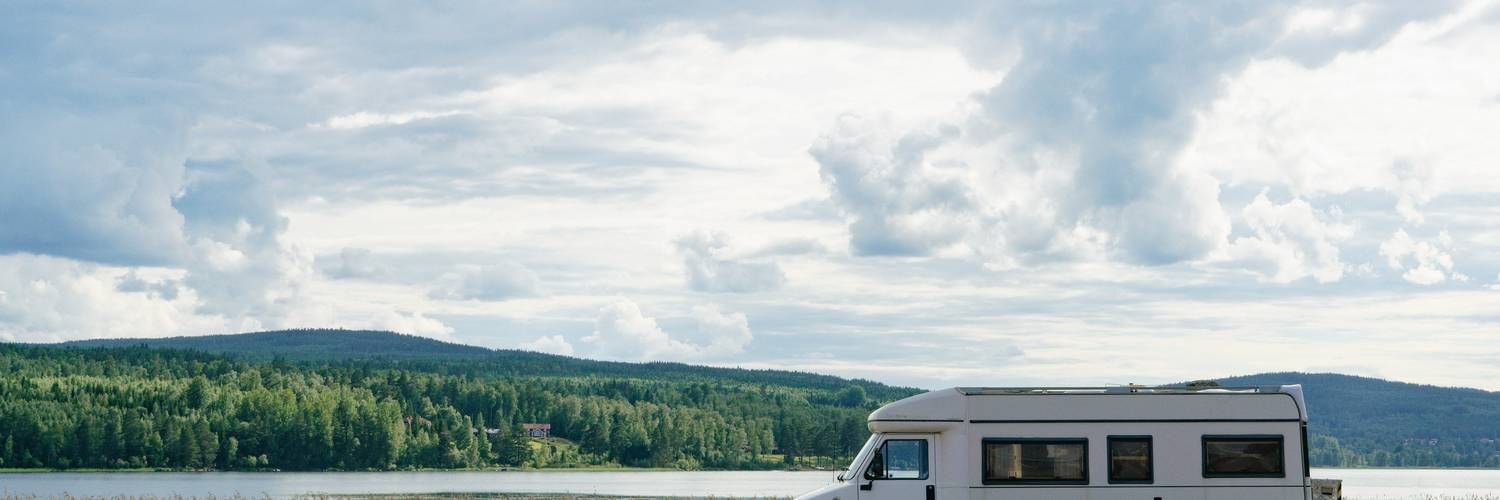
Recreational Vehicle Insurance in Manitoba: RVs, Trailers, and More
Whether you’re exploring Manitoba’s lakes and forests in a motorhome, hauling a camper, or making memories with a travel trailer, understanding insurance and registration rules is essential. This guide breaks down everything you need to know about recreational vehicle (RV) insurance in Manitoba—covering requirements, optional coverages, seasonal use, and common pitfalls for RVs, trailers, and campers.
What’s Considered a Recreational Vehicle in Manitoba?
In Manitoba, a recreational vehicle (RV) is broadly defined as a motorized or towable vehicle designed for temporary accommodation, travel, or leisure. This includes motorhomes, travel trailers, fifth wheels, camping trailers (pop-ups), truck campers, park model trailers, and toy haulers. However, not all trailers are considered RVs—utility trailers and boat trailers have different requirements.
Types of Recreational Vehicles & Their Typical Uses
| Type | Self-Propelled? | Examples | Registration Needed? | Insurance Needed? |
|---|---|---|---|---|
| Motorhome | Yes | Class A, B, C motorhomes | Yes | Yes (Full) |
| Travel Trailer | No (Towed) | Bumper-pull, Hybrid, Teardrop | Yes | Yes (Basic liability, optional) |
| Fifth Wheel | No (Towed) | Large RVs with gooseneck hitch | Yes | Yes (Basic liability, optional) |
| Truck Camper | No | Slide-in units for pickup beds | Optional* | Optional* |
| Park Model Trailer | No | Stationary “park” RVs | Yes | Yes |
| Toy Hauler | No (Towed or Motorized) | RVs designed to carry ATVs, bikes | Yes | Yes |
| Utility/Boat/ATV Trailer | No | Flatbeds, open/closed utility, boat | Yes | Basic liability (no “contents” coverage) |
*Truck campers may be exempt if not registered for road use. See FAQs.
How to Register Your RV, Trailer, or Camper in Manitoba
All self-propelled RVs (motorhomes) and most towable trailers must be registered with Manitoba Public Insurance (MPI) before use on public roads. The process is similar to vehicle registration but includes some unique requirements for trailers and campers. Here’s a quick checklist:
-
Gather Required DocumentsBill of sale, government-issued ID, previous registration (if applicable), and proof of insurance or intent to purchase.Learn
-
Safety Inspection Certificate (if required)Used RVs and trailers may need a valid safety inspection certificate before registration.Learn
-
Visit an Autopac AgentBring your documents to any authorized MPI Autopac agent. They’ll help with forms, fees, and insurance options.Learn
-
Pay Registration & Insurance FeesFees vary by type, weight, and intended use. Trailers and campers are generally less expensive than motorhomes.Learn
-
Receive Plates & RegistrationYou’ll get a trailer plate (for towables) or regular plate (for motorhomes), plus proof of registration and insurance.Learn
Required Insurance for RVs and Trailers in Manitoba
Manitoba law requires all motorized vehicles and most trailers to carry basic insurance coverage through MPI. The minimum required coverage generally includes third-party liability, accident benefits, and all-perils coverage for motorhomes. For towable trailers, basic liability is mandatory—protecting you in case your trailer causes damage or injury while being towed.
- Motorhomes: Must have full Basic Autopac (liability, PIPP, all-perils), just like a passenger vehicle.
- Towed RVs/Trailers: Must have trailer registration and liability, but damage/theft coverage is optional.
- Truck Campers: May not require registration/insurance if never used on public roads, but coverage is strongly advised.
Not sure if your unit needs insurance? Read our FAQ or see coverage types.
Optional RV Insurance Coverages in Manitoba
To protect your RV or trailer beyond basic liability, consider adding optional coverages. These are especially important for higher-value rigs or for owners storing personal property inside the unit. The following accordion explains each option:
Seasonal Use & Storage: Insurance Tips for Manitobans
Many RV and trailer owners in Manitoba use their rigs seasonally—parking them at a lake lot or storing them during the winter. Here’s how to manage insurance and registration for seasonal use:
Seasonal Storage Checklist
- Notify your agent before suspending or reducing coverage.
- Remove valuables and personal items before storage.
- Park in a secure, covered location if possible.
- Document condition and take photos for your records.
- Confirm lay-up period and minimum required coverage.
How Storage Affects Insurance Cost
Storing your RV or trailer off-road for winter can reduce your MPI premium through “lay-up” or suspension, but you may still want fire/theft coverage. Ask your agent for a cost breakdown and see insurance cost factors for more.
FAQs: Recreational Vehicle Insurance in Manitoba
Further Resources & Related Guides
- Vehicle & Trailer Registration – Step-by-step instructions for registering all vehicles and trailers in Manitoba, including what documents you need and how to handle complex cases like out-of-province or inherited units.
- Coverage Types Explained – In-depth breakdown of required and optional insurance coverages for cars, RVs, and trailers, with real-world examples.
- Insurance Cost Factors – Learn what drives your insurance premium, from vehicle type to usage, and see tips for lowering your rates.
- Renewals & Annual Registration – Find out when and how to renew your registration and insurance, and how to avoid lapses in coverage for seasonal vehicles.
- Frequently Asked Questions – Answers to common questions about Manitoba vehicle and trailer insurance, including seasonal use, storage, and cross-border travel.
- Insurance Claims Guide – What to do if your RV, trailer, or camper is damaged or stolen, how claims are handled, and tips for a smooth process.
- Forms & Documentation Guides – What paperwork you’ll need for registration, claims, and more—explained in plain English.